




Department of Criminology
Department of Criminology
Faculty of Arts & Social Sciences
Criminology is the scientific study of the non-legal aspects of crime and delinquency — its causes, consequences, prevention and rehabilitation — from the viewpoints of sociology, biology, mental and physical health, information technology, economics and statistics. Criminology began in 1995 as a Master's program under the Department of Sociology before becoming a separate department by resolution of the Academic Council.

The Department of Criminology at the University of Karachi is a pioneering academic institution in Pakistan, dedicated to the interdisciplinary study of crime, criminal behavior and the functioning of the criminal justice system — one of the first departments in the country to offer formal education in criminology.
Its academic programs — undergraduate (BS), postgraduate (Master's) and doctoral (PhD) — integrate theoretical knowledge with practical application across criminological theory, criminal law, policing, victimology, corrections and forensic science, alongside contemporary specializations including Intelligence Studies, Security Studies, Environmental Criminology, Cyber Criminology and Artificial Intelligence in Criminology (predictive policing, big data analysis, AI-driven surveillance).
Careers"Preparing scholars and professionals to lead in criminology, criminal justice and social development, nationally and internationally."
Department of Criminology University of Karachi

Career Opportunities
Graduates pursue careers in law enforcement and investigation (police officer, crime scene investigator, forensic analyst, intelligence officer with FIA/IB/ISI/Interpol, cybercrime investigator), the legal and judicial system (probation officer, court researcher, correctional counsellor), corrections and rehabilitation, research and academia, the private/corporate sector (security consulting, fraud examination, risk and compliance), and international organizations (UNODC, UNDP, INTERPOL, Europol).
- BS, Master's and PhD programs
- Specializations in Cyber Criminology, Security Studies and AI in Criminology
- Strong placement across law enforcement, judiciary and international organizations

Introduction
Chairperson: Prof. Dr. Naima Saeed.
Criminology is the scientific study of the non-legal aspects of crime and delinquency, including its causes, consequences, prevention and rehabilitation from the viewpoints of such diverse disciplines as sociology, biology, mental and physical health, information technology, economics and statistics.
Criminology was started in 1995 as a Master degree program under the umbrella of Department of Sociology. Department of criminology university of Karachi was established by a resolution of Academic Council since when has been separately working. The Department of Criminology at the University of Karachi is a pioneering academic institution in Pakistan, dedicated to the interdisciplinary study of crime, criminal behavior, and the functioning of the criminal justice system. As one of the first departments in the country to offer formal education in criminology, it plays a vital role in addressing contemporary challenges related to crime prevention, legal systems, social justice, and public safety.
The Department of Criminology is committed to fostering academic excellence, critical inquiry, and applied research. Its academic programs are designed to equip students with theoretical knowledge, analytical skills, and practical competencies required in a range of professional contexts, including law enforcement, policy development, legal practice, corrections, and academia.
The Department of Criminology at the University of Karachi aims to be a leading centre of academic excellence in criminological theory, research, and practical application. We are dedicated to fostering a diverse community of scholars, practitioners, and policymakers who contribute to the advancement of criminological knowledge while addressing real-world challenges. Through collaboration with communities, we strive to promote justice, equity, and sustainable social change.
The Department of Criminology at the University of Karachi is committed to advancing academic excellence and professional competence in the field of criminology and criminal justice. Its mission is to educate and train students through rigorous undergraduate (BS), postgraduate (Master’s), and doctoral (PhD) programs that integrate theoretical knowledge with practical application.
The Department of Criminology aims to cultivate critical inquiry, interdisciplinary research, and ethical responsibility among students, preparing them to address complex issues related to crime, law enforcement, forensic investigation, corrections, and public policy. By fostering collaboration with academic institutions, criminal justice agencies, and civil society organizations, the department seeks to contribute meaningfully to the development of informed public policy and the promotion of a just, safe, and equitable society.
Through its teaching, research, and community engagement, the Department of Criminology aspires to produce scholars and professionals equipped to lead in the fields of criminology, criminal justice, and social development at both national and international levels.
Curriculum
The Department of Criminology at the University of Karachi offers a dynamic and modern curriculum designed to meet the challenges of today’s rapidly changing world. The syllabus provides students with strong foundations in criminological theory, criminal law, policing, victimology, corrections, and forensic science, while also incorporating specialized contemporary fields. Intelligence Studies equips students with skills to analyze and utilize information for crime prevention, counter-terrorism, and combating organized crime. Security Studies addresses national, regional, and international security concerns, focusing on strategies to protect societies against emerging threats. Environmental Criminology examines how physical and social environments influence criminal behavior, emphasizing urban planning and crime prevention through environmental design. Cyber Criminology prepares students to understand and tackle digital crimes such as hacking, fraud, and identity theft, along with relevant cyber laws and preventive measures. The inclusion of Artificial Intelligence in Criminology introduces students to cutting-edge applications such as predictive policing, big data analysis, and AI-driven surveillance systems. This comprehensive approach ensures that graduates are not only well-versed in traditional criminology but are also prepared to address future challenges in security, technology, and justice.
Career Opportunities:
-
1. Law Enforcement & Investigation
- Police officer
- Crime scene investigator
- Forensic analyst
- Intelligence officer (FIA, IB, ISI, Interpol, etc.)
- Cybercrime investigator
- Probation/parole officer
- Court researcher
- Legal analyst for criminal cases
- Correctional counsellor
- Prison administration
- Rehabilitation specialist
- Juvenile justice officer
- Victim support services
- University professor/lecturer
- Social science researcher
- Policy analyst (crime prevention, counterterrorism, justice reform)
- Think tank or NGO researcher
- Corporate security consultant
- Fraud examiner
- Risk and compliance officer
- Private investigator
- Insurance claims investigator
- United Nations (UNODC, UNDP)
- INTERPOL, Europol
- NGOs working on human rights, extremism prevention, or victim advocacy
- Cyber security and cybercrime analysis
- Counterterrorism and intelligence studies
- Environmental crime and wildlife protection
- Artificial intelligence and predictive policing
2. Legal & Judicial System
3. Corrections & Rehabilitation
4. Research & Academia
5. Private & Corporate Sector
6. International Organizations
7. Specialized Fields
Faculty
| Prof.Dr.Naima Saeed Professor & Chairperson Dr. Naima Saeed is a Professor in the Department of Criminology at the University of Karachi and has been serving as Chairperson since December 2023. With over two decades of academic and research experience, she has previously held positions as Assistant Professor in Criminology and Sociology, Lecturer, and Research Officer at the Pakistan Society. Her work reflects a strong commitment to advancing criminological and sociological studies through teaching, research, and academic leadership. She has authored multiple research papers that have contributed to the advancement of criminological sciences and has produced multiple PhD and M.Phil. students |
 |
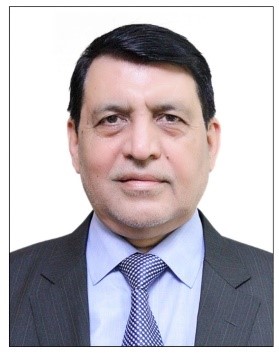
| Dr. Altaf Tahir Adjunct Professor Dr. Muhammad Altaf Tahir, TI(M), holds a Ph.D. in Criminology, M.A. in International Relations, LLB, and BA, with over three decades of distinguished service in the Pakistan Army, where he was awarded Tamgha-e-Imtiaz. He specializes in criminology, intelligence, psychology, and mind sciences, and has served as a visiting faculty and external examiner for Ph.D. scholars. His doctorate research was the causes and consequences of international human trafficking with special reference to terrorism in Pakistan. Widely published, he integrates physiognomy, neuro-linguistic programming, and psychoanalysis into his research and teaching. His contributions span criminology, human psychology, and management, making him a leading voice in academic and professional forums. |
 |
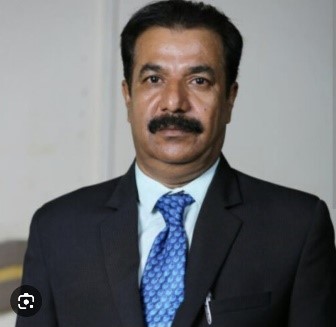
| Prof. Dr. Ghulam Muhammad Burfat Adjunct Professor Prof. Dr. Ghulam Burfat is a retired Professor in the Department of Criminology, University of Karachi, with extensive academic and research experience in sociology and criminology. He earned his Ph.D. in Sociology in 2004 from the University of Karachi with a specialization in drug abuse studies, focusing on heroin addiction, its causes, and consequences. His M.A. research also examined drug abuse among Pakistani youth. Over the years, he has served as Chairperson of the Department of Criminology (2017–2021), Associate Professor, and Assistant Professor in both Criminology and Sociology. His teaching and research interests span drug abuse, social psychology, criminology, urban and community development, and research methodology. He has supervised multiple M.Phil. and Ph.D. scholars and has numerous national and international publications to his credit. |
 |
| Mr. Akberali Dattoo Teaching Assistant Mr. Akberali Dattoo is a faculty member in the Department of Criminology, University of Karachi. His thematic expertise includes counter-terrorism studies, security and defense policy, crypto crimes and financial intelligence, border and migration security, and AI applications in crime analysis. Through his teaching and research, he integrates contemporary security challenges with criminological perspectives, preparing students to critically engage with emerging issues in crime and security studies. |
 |
Visiting Faculty:
| Ms. Qurat ul Ain Rizvi Ms. Qurat ul Ain Rizvi holds an M.Phil. in Criminology with research focused on the socio-economic causes of juvenile delinquency and is currently pursuing a PhD on the influence of culture and patriarchy on gender-based violence and homicides. She has been teaching since 2020 as a Teaching Associate and has also contributed to research projects with UNICEF and has multiple publications in reputable research journals. Her academic interests include gender and crime, juvenile delinquency, penology, criminal psychology, and victimology, and she is recognized for designing innovative, out-of-the-box assignments that foster critical thinking and research skills among students. |
 |
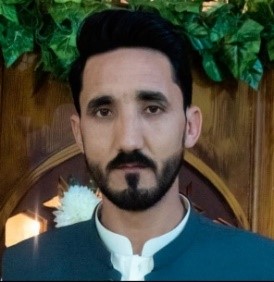
| Mr. Rozi Ali Mr Rozi Ali is a PhD scholar and Teaching Associate in the department of Criminology is researching on the global impact of illegal immigrants on crime rate and strategic security with the focus on Afghan refugees in Pakistan. He also has 5 publications in various reputable research journals. His expertise spans critical areas such as patterns of crime, theoretical criminology, research thesis design, student counselling and administration. He is dedicated to advance understanding and guiding in scholarship hunting in these fields to contribute meaningfully to both academic study and practical applications within criminology. |
 |
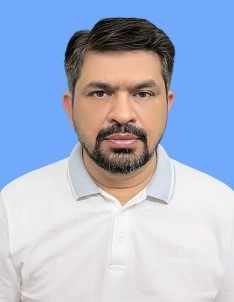
| Mr. Zahid Hussain As visiting faculty in Criminology for the past three years, Zahid Hussain has taught core courses including Introduction to Criminology, Criminal Investigation, Applied Criminology, and Theories of Crime. His teaching emphasizes practical applications of theory through case studies, debates, and research mentoring on issues such as crime prevention and community policing. He has presented collaborative research on local crime patterns at conferences and contributed to curriculum development on emerging topics like cybercrime. Recognized for his interactive methods, he fosters critical thinking on crime control, policy, and ethics. |
 |
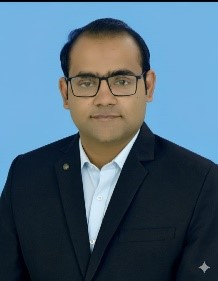
| Mr Muhammad Faheem Muhammad Faheem is an M.Phil. Scholar in Criminology, currently researching Counter-strategies of Extremism among youth, with academic interests in violence, youth, and theoretical perspectives in crime. He teaches courses such as Patterns of Crime and Theoretical perspectives. Crime and Deviance emphasizing the connection between theory and contemporary issues. Alongside teaching and research, he actively engaged in networking and building collaboration with law enforcement agencies and organizes field visits for students, providing them with practical exposure to the criminal justice system. He has also engaged in academic and professional activities organizing workshops, seminars with both national and international organizations strengthening the link between criminological knowledge and practice. |
 |
| Mr. Waleed Ahmed Khan Mr. Waleed Ahmed Khan is a research scholar currently pursuing his MPhil in Criminology, with his research focusing on the role of artificial intelligence in bridging gaps in criminal apprehension. He earned his Master’s degree in Criminology from the University of Karachi, where he secured first position and was awarded the Gold Medal. His academic expertise spans forensic criminology, behavioural sciences, applied criminology, and Islamic punishments. Waleed combines strong theoretical knowledge with research-driven insight, reflecting a commitment to advancing criminological scholarship and practice. |
 |
| Mr. Ibrahim Khan Muhammad Ibrahim, a PhD Research Scholar in Criminology at the University of Karachi, is a Police Officer with over 23 years of experience in law enforcement, crime investigation, counter-terrorism, and intelligence operations. Currently serving in the Anti-Terror Financing Unit of the Counter Terrorism Department Karachi, his specialization spans counter-intelligence, sectarian and religious terrorism, political and gang violence, and sub-nationalism. With expertise in teaching core and elective criminology subjects, he integrates classical and modern theories with real-life case studies, offering students a unique blend of academic insight and practical field experience that sharpens their analytical and problem-solving skills. |
 |
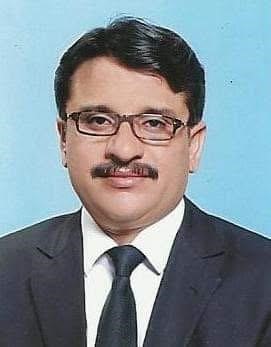
| Mr. A B. Lashari Mr. Allah Bux Lashari, Advocate, holds a Master’s in Sociology, an LLM, and is a PhD scholar in Criminology. He is an author of nine books and has conducted research on honour killing, terrorism, and rural sociology, and is also recognized as a writer, columnist, translator, and poet. |
 |
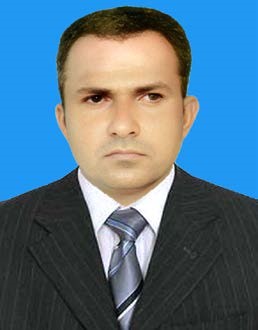
| Mr. Barkat Ali Mr. Barkat Ali is a Ph.D. Scholar in the Department of Criminology, University of Karachi, where he also serves as a Teaching Assistant. He completed his M.A. in Criminology from the University of Karachi in 2009, his M.Phil. in Sociology from the University of Sindh, Jamshoro in 2021, and his L.L.B. from the University of Karachi in 2023. In addition, he holds an M.A. in English Literature from SALU, Khairpur. His research interests include honour killings, sociological factors in women’s political leadership, and environmental influences on education. He has served as Principal at a Sindh Education Foundation Higher Secondary School and as a Research Fellow in a Higher Education project on school dropout in Sindh. He has multiple publications to his credit, reflecting his strong academic and research profile. |
 |
Programs
Degree Programs Available
- BS Criminology
- Diploma in Forensic Criminology
- Certification in Prison Administration
- MS/MPhil Criminology
- PhD Criminology
- BS Criminology
- Diploma in Forensic Criminology
- Certification in Prison Administration
Available seats in BS 1st Year Morning 150
Available seats in BS 3rd Year Morning 100
Evening Program
Available seats in BS 1st Year Evening 200
Available seats in BS 3rd Year Evening 100
Courses
B.S Criminology Courses
| Course Code | Course Title | Credit Hrs. |
| CRI-311/301 | Fundamentals of Criminology | 3 |
| CRI-312/302 | Crime and Deviance | 3 |
| CRI-411/401 | Applied Criminology | 3 |
| CRI-421 | Theoretical Criminology | 3 |
| CRI-412/402 | Patterns of Crime | 3 |
| CRI-422 | Organized Crime | 3 |
| CRI-511 | Anatomy of violence | 3 |
| CRI-521 | Criminal Psychology | 3 |
| CRI-531 | Criminal Justice System | 3 |
| CRI-541 | Introduction to Policing | 3 |
| CRI-551 | Research Methodology | 3 |
| CRI-500.1 | Capstone Project/Research Field/ Internship | 3 |
| CRI-512 | Criminal Profiling | 3 |
| CRI-522 | Introduction to Forensic criminology | 3 |
| CRI-532 | Theological Perspective on Crime and Punishment | 3 |
| CRI-542 | Criminal Law | 3 |
| CRI-552 | Correctional Management | 3 |
| CRI-500.2 | Capstone Project/Research Field/Internship | 3 |
| CRI-611 | Crime Scene Management & Criminal Investigation | 3 |
| CRI-621 | Penology and Sentencing | 3 |
| CRI-631 | Substance Abuse | 3 |
| CRI-641 | Green Criminology | 3 |
| CRI-651 | Crime, Media and Social Media | 3 |
| CRI-661 | Cyber Criminology | 3 |
| CRI-671 | Thesis-I | 3 |
| CRI-612 | Introduction to Intelligence Studies | 3 |
| CRI-622 | Introduction to Security Studies | 3 |
| CRI-632 | Gender and Crime | 3 |
| CRI-642 | Juvenile Delinquency | 3 |
| CRI-652 | Artificial Intelligence and Crime Prevention | 3 |
| CRI-662 | Thesis-II | 3 |
M.S / M.Phil Criminology Courses
| Course Code | Course Title | Credit Hrs. |
| CRI-711 | Critical Criminology - Core | 3 |
| CRI-721 | Advanced Research Methodology Part I - Core | 3 |
| CRI-731 | Police Administration - Optional | 3 |
| CRI-741 | Restorative Justics System - Optional | 3 |
| CRI-751 | Crisis Management& Negotiation Skills - Optional | 3 |
| CRI-761 | Terrorism and Violent Extremism - Optional | 3 |
| CRI-712 | Globalization and Transnational Crimes - Core | 3 |
| CRI-722 | Advanced Research Methodology Part II - Core | 3 |
| CRI-732 | Community Policing - Optional | 3 |
| CRI-742 | Urban Criminology - Optional | 3 |
| CRI-752 | Investigative Psychology - Optional | 3 |
| CRI-762 | Crime Prevention - Optional | 3 |
Ph.D Criminology Courses
| Course Code | Course Title | Credit Hrs. |
| CRI-811 | Social Policy and Crime - Core | 3 |
| CRI-821 | Advance Dissertation Writing - Core | 3 |
| CRI-831 | Criminalization and De-Criminalization - Core | 3 |
| CRI-812 | Hate Crime - Optional | 3 |
| CRI-822 | Youth, Violence and Crime - Optional | 3 |
| CRI-832 | Corporate Crimes - Optional | 3 |
| CRI-842 | Community Justice and Crime Prevention - Optional | 3 |
| CRI-852 | Religious and Social Perspective on Crime and Punishment - Optional | 3 |
| CRI-862 | Sociology of Law - Optional | 3 |
Diploma in Forensic Criminology
| Course Code | Course Title | Credit Hrs. |
| DFC-511 | Introduction to Forensic Criminology | 3 |
| DFC -521 | Introduction to Society, Crime & Criminal Behavior | 3 |
| DFC -531 | Forensic Chemistry | 3 |
| DFC -541 | Crime Scene Management & Forensic Investigation | 3 |
| DFC -551 | Forensic Law | 3 |
| DFC -512 | Firearms, Tool Marks And Ballistics Examination | 3 |
| DFC -522 | Fingerprints Examination | 3 |
| DFC -532 | Questioned Document Examination | 3 |
| DFC -542 | Digital Forensics | 3 |
| DFC -552 | Medico Legal & Forensic Medicine | 3 |
Certification in Prison Administration
| Course Code | Course Title | Credit Hrs. |
| CPA-511 | Introduction to Crime and Deviance | 3 |
| CPA-521 | Introduction to Basic Penology | 3 |
| CPA-531 | Prisons Management and Accountability | 3 |
| CPA-541 | Special Needs Offenders | 3 |
| CPA-551 | Inmates Psychology | 3 |
| CPA-561 | Prisons Security | 3 |
Facilities
Infrastructure:
Department of criminology has six (6) Conventional and one (01) Smart class room
Library:
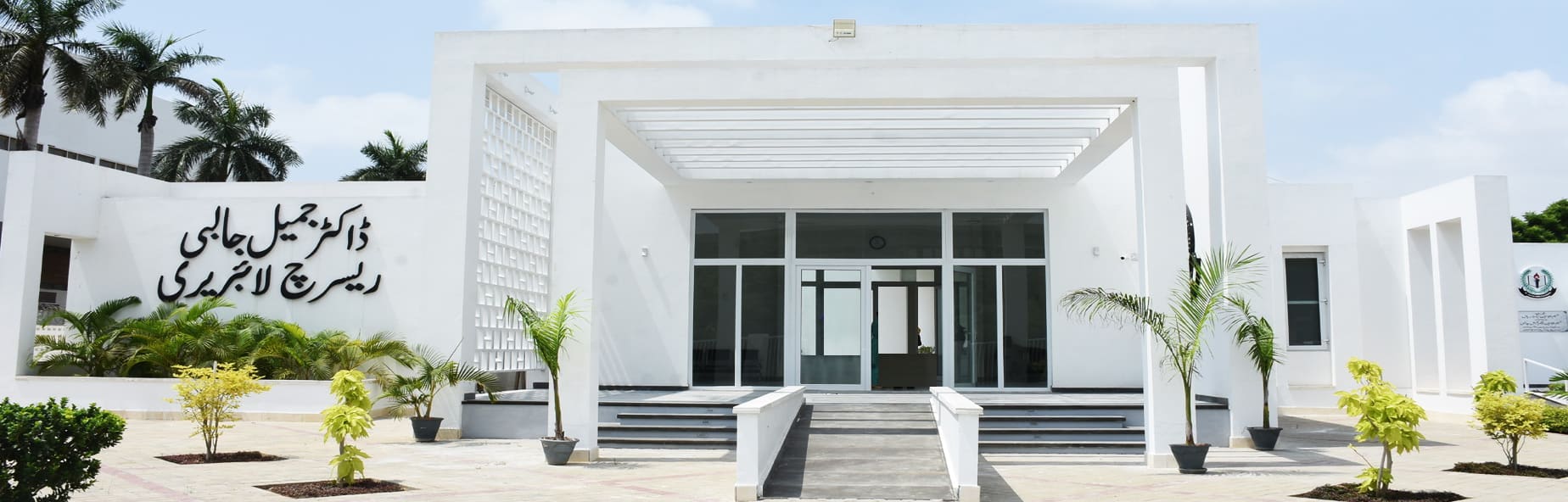
The department has an air-conditioned library with a significant collection of books.
Contact
For further information please contact:
DEPARTMENT OF CRIMINOLOGY
UNIVERSITY OF KARACHI, KARACHI-75270
Telephone: 99261300-06 Ext- 2547
Apply to the Department of Criminology
Undergraduate and postgraduate pathways are open through the University's admissions process.

