




Botany
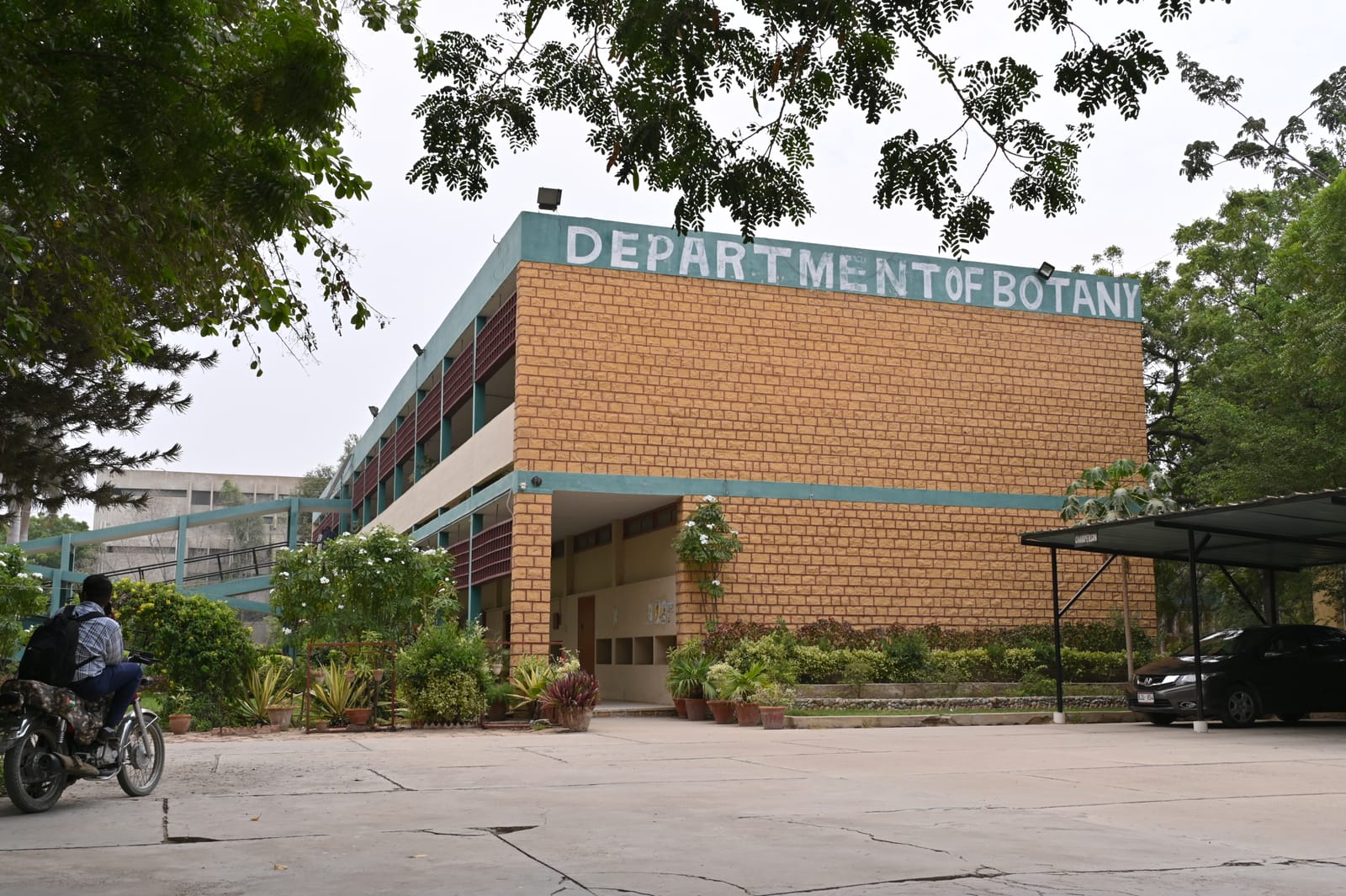
Department of Botany
Faculty of Science
A sanctuary for researchers and future leaders for over seven decades, the Department of Botany offers more than 70 courses from undergraduate to PhD level addressing biodiversity conservation, food demand and climate change.

Taxonomy & Cytogenetics
Classical taxonomy, chemosystematics and medicinal plant studies.
Plant Pathology
Fungal biotechnology, plant-microbe interaction and disease diagnosis.
Plant Physiology & Ecology
Stress physiology, halophyte utilization and ecological restoration.
The department is dedicated to nurturing critical thinking, scientific inquiry and hands-on experience — whether the interest lies in Plant Anatomy and Tissue Culture, Phycology and Marine Botany, Mycology and Fungal Biotechnology, Plant Enzymology and Bio-saline Agriculture, or Dendrochronology and Environmental Pollution.
CareersCareer Opportunities
Beyond the market for college and O/A-level lecturers, graduates can join the herbal industry, national or international research institutions, and environmental conservation agencies such as IUCN and WWF, or the fertilizer, agriculture, forestry and horticulture sectors.

Introduction
Chairman: Prof. Dr. Zamin Shaheed Siddiqui.
The Department of Botany is a sanctuary for researchers, innovators, and future leaders in various fields of knowledge that have been nurtured for over seven decades. The department offers more than 70 well-designed courses, ranging from undergraduate to PhD level, to meet the challenges of this era, including biodiversity conservation, increasing food demand, combating climate change, plant diseases, and harnessing plant potential for human welfare.
The Department of Botany is dedicated to nurturing critical thinking, scientific inquiry, and hands-on experience. Whether your interest lies in Classical Taxonomy, Chemosystematics, Cytogenetics, or Medicinal plants. Plant Anatomy and Plant Tissue Culture. Phycology, Marine Botany, Mycology, Plant Pathology, Fungal Biotechnology, Plant Microbe Interaction, and Diagnosis of emerging and re-emerging plant diseases. Plant Physiology, Plant Enzymology, Bio-saline Agriculture, Stress Physiology, and Phenomics. Plant Ecology, dendrochronology, Environmental Pollution, and Halophytes utilization. Molecular biology, or ecological restoration, your journey starts here.
 |
Career Opportunities
Besides the huge market for college lecturers, O and A level instructor, botany graduates can join the herbal industry, national or international research institutions, NGOs working for environmental conservation agencies like IUCN and WWF. Potential candidates can join the fertilizer, agriculture, forestry, or horticulture sector, or become entrepreneurs.
Faculty
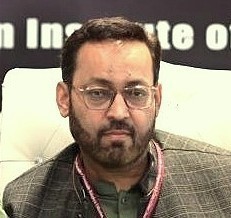
| Prof. Dr. Zamin Shaheed Siddiqui. Professor & Chairman https://www.researchgate.net/profile/Zamin-Siddiqui |
 |
| Prof. Dr. Rubina Abid. Professor |
 |
| Prof. Dr. Sadaf Gul. Professor Dr. Sadaf Gul is Professor of Botany at the University of Karachi and an HEC-approved PhD supervisor, specializing in marine botany and phycology. Her research focuses on seaweed-based bio-stimulants, plant ecophysiology, and environmental sustainability under stress conditions. She has completed postdoctoral research in Japan, supervised PhD/MPhil students, received research productivity awards, and authored a number of high-impact publications in reputed journals |
 |
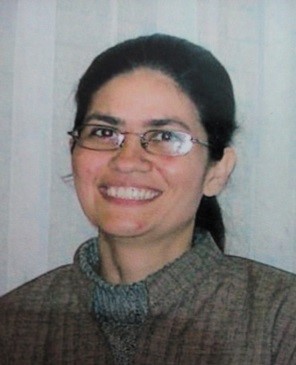
| Prof. Dr. Laila Shahnaz. Professor Prof. Laila Shahnaz is a Professor of Botany at the University of Karachi with expertise in marine botany, phycology, and seaweed biotechnology. She completed her postdoctoral fellowship in Germany, authored a book and several international publications, secured research grants, and supervised M.Phil. and Ph.D. students in algal biofertilizers, bioremediation, and sustainable agriculture. |
 |
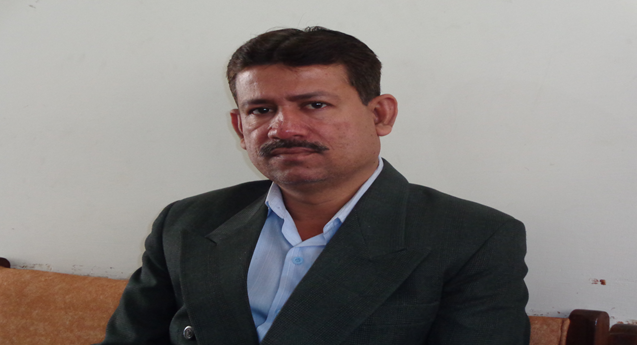
| Prof. Dr. Faheem Siddiqui. Professor Professor of Botany at the University of Karachi with 27 years of teaching and research experience in ecology, forestry, and biodiversity. He has authored six books, published over 120 papers, and led international collaborations on climate and forest ecology. His initiatives include major plantation and urban forestry projects. |
 |
| Dr. Waseem Abbasi. Associate Professor Dr. Muhammad Waseem Abbasi is Associate Professor of Botany at the University of Karachi and Managing Editor of the International Journal of Biology and Biotechnology. His research focuses on plant–microbe–soil interactions, microbial diversity, and the development of biofertilizers, biopesticides, and bio stimulants for sustainable agriculture. He is Managing Curator of Fungi of Pakistan, a recipient of HEC research grants, and author of a number of impact factor publications in reputed journals. |
 |
| Dr. Amna Ahmed. (Foreign Service Leave) Assistant Professor |
|
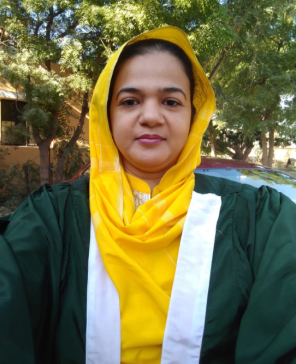
| Dr. Maria Hamid. Assistant Professor Dr. Maria Hamid is an Assistant Professor of Botany at the University of Karachi, specializing in plant pathology, microbial biotechnology, and mycorrhizal ecology. With 18+ years of teaching and research experience, she has supervised multiple postgraduate theses, published extensively on sustainable plant health and soil management, and received the Research Productivity Award and several competitive research grants. |
 |
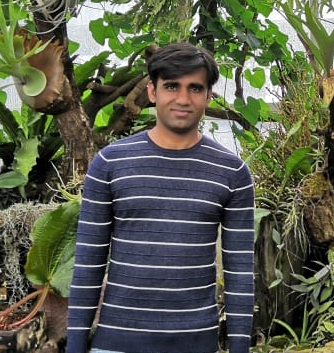
| Dr. Naeem Ahmed. Assistant Professor Assistant Professor of Plant Physiology, University of Karachi, focusing on crop stress tolerance through endophytes, nanoparticles, and molecular approaches. He has received national and international research grants and published extensively on salinity stress. His work aims at sustainable crop production under marginal environments. |
 |
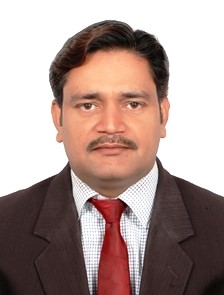
| Dr. Muhammad Azeem. Assistant Professor Dr. Muhammad Azeem is an Assistant Professor of Botany at the University of Karachi, in Incharge of Biosaline-Bioenergy Research Laboratories, and PI of the Biosaline Research Program. His research focuses on climate-resilient agriculture, plant stress physiology, bio-fertilizers, PGPR, and organic waste management. He is a TYSP Fellow, HEC-approved supervisor, and recipient of multiple national and international research grants with extensive publications in high-impact journals. |
 |
| Dr. Afshan Rahman. Assistant Professor Dr. Afshan Rahman is an Assistant Professor of Botany at the University of Karachi, specializing in plant pathology, microbial inoculants, and stress physiology. Her research emphasizes sustainable plant protection, heavy metal bioremediation, and crop stress mitigation using beneficial microbes and seaweed amendments. She has supervised M.Phil./Ph.D. students, secured HEC and university research grants, and published widely in reputed journals. |
 |
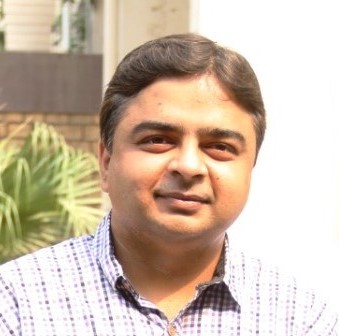
| Dr. Muhammad Yousuf Adnan. Assistant Professor Dr. Muhammad Yousuf Adnan is an Assistant Professor of Plant Ecology and Ecophysiology at the University of Karachi, specializing in halophyte adaptations under salinity and drought. He is an HEC-approved PhD supervisor and recipient of an HEC Start-up Grant. His research promotes sustainable agriculture on coastal and marginal lands. |
 |
| Dr. Hafza Asma Shafique. Assistant Professor Dr. Hafza Asma Shafique is Assistant Professor of Botany at the University of Karachi, specializing in plant microbiology, pathology, biochemistry, and sustainable food production. Her research focuses on bio-stimulants, biocontrol agents, and nature-based solutions for plant protection and crop resilience. She has supervised multiple postgraduate theses and authored number of research publications in peer-reviewed journals. |
 |
| Dr. Asma Hanif. Assistant Professor Dr. Asma Hanif is an Assistant Professor of Botany at the University of Karachi and an HEC-approved Ph.D. supervisor, specializing in plant pathology, biocontrol, and sustainable crop protection. She has authored number of publications in impact factor journals, secured national research grants, and actively mentors M.Phil. and Ph.D. scholars. |
 |
| Dr. Sana. Assistant Professor Dr. Sana Riaz is Assistant Professor of Botany at the University of Karachi, specializing in plant biosystematics, taxonomy, chemotaxonomy, biodiversity, and ethnobotany. She is an HEC-approved PhD supervisor, member of national curriculum review committees, and actively engaged in international research collaborations. She has authored number of publications and book chapters, focusing on taxonomy, biodiversity, and plant-environment interactions. |
 |
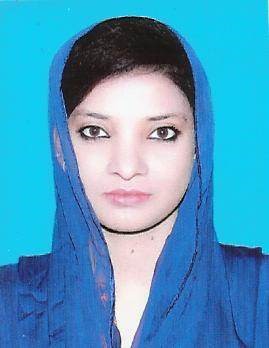
| Mrs. Hira Ejaz.. Lecturer Mrs. Hira Ejaz is a Lecturer in Botany at the University of Karachi, specializing in plant pathology with research interests in halophytes, seed-borne mycoflora, and eco-friendly disease management. A Gold Medalist in Plant Pathology, she has published research on antifungal potential of halophytes and seed-borne fungi, and actively contributes to seminars, workshops, and conferences in plant sciences. |
 |
Programs
Degree Programs Available
- B.S
- B.S3rd Year
- M.Phil.& Ph.D
Courses
| Course Code | Course Title | Credit Hours (Theory) |
Credit Hours (Practical) |
| Bot.311 | DIVERSITY OF PLANTS AND RELATED GROUPS | 2 | 1 |
| Bot.312 | PLANT SYSTEMATICS, ANATOMY AND DEVELOPMENT | 2 | 1 |
| Bot.411 | GENETICS AND INTRODUCTION TO BIOTECHNOLOGY | 2 | 1 |
| Bot.421 | CELL BIOLOGY AND EVOLUTION | 2 | 1 |
| Bot.412 | FUNDAMENTAL PLANT PHYSIOLOGY | 2 | 1 |
| Bot.422 | FUNDAMENTAL PLANT ECOLOGY | 2 | 1 |
| Bot.511 | BIOSTATISTICS | 2 | 1 |
| Bot.521 | VIROLOGY AND BACTERIOLOGY | 2 | 1 |
| Bot.531 | PHYCOLOGY | 2 | 1 |
| Bot.541 | MYCOLOGY AND PLANT PATHOLOGY | 2 | 1 |
| Bot.551 | PLANT DIVERSITY | 2 | 1 |
| Bot.512 | PLANT SYSTEMATICS | 2 | 1 |
| Bot.522 | ANATOMY OF VASCULAR PLANT | 2 | 1 |
| Bot.532 | GENETICS | 2 | 1 |
| Bot.542 | PLANT PHYSIOLOGY | 2 | 1 |
| Bot.552 | PLANT ECOLOGY | 2 | 1 |
| Bot.611 | CELL BIOLOGY | 2 | 1 |
| Bot.611-A | PLANT CELL AND MOLECULAR BIOLOGY | 2 | 1 |
| Bot.621 | PLANT BIOCHEMISTRY | 2 | 1 |
| Bot.631 | RESEARCH METHODOLOGY | 1 | 2 |
| Bot.612 | MOLECULAR BIOLOGY | 2 | 1 |
| Bot.622 | ENVIRONMENTAL BIOLOGY | 2 | 1 |
| Bot.632 | EVOLUTION | 2 | 1 |
| Bot.641 | MARINE ALGAE OF KARACHI COAST-I (CHLOROPHYTA AND PHAEOPHYTA) | 2 | 1 |
| Bot.643 | ECONOMIC IMPORTANCE OF ALGAE | 2 | 1 |
| Bot.645 | MARINE PHYTOPLANKTON-II | 2 | 1 |
| Bot.651 | FUNGAL DISEASES | 2 | 1 |
| Bot.653 | SEED PATHOLOGY | 2 | 1 |
| Bot.655 | PLANT DISEASES AND DIAGNOSIS | 2 | 1 |
| Bot.661 | PLANT MORPHOGENESIS | 2 | 1 |
| Bot.663 | BIOLOGICAL NITROGEN FIXATION-I | 2 | 1 |
| Bot.665 | EMBRYOLOGY OF VASCULAR PLANTS | 2 | 1 |
| Bot.671 | NEW CONCEPTS IN PLANT TAXONOMY | 2 | 1 |
| Bot.673 | PALYNOLOGY | 2 | 1 |
| Bot.675 | PLANT TAXONOMY: THE CORE ARCHITECTURE | 2 | 1 |
| Bot.681 | STRESS PHYSIOLOGY | 2 | 1 |
| Bot.683 | PLANT RESPONSES TO ENVIRONMENTAL POLLUTION | 2 | 1 |
| Bot.685 | SEED PHYSIOLOGY | 2 | 1 |
| Bot.691 | POLLUTION ECOLOGY | 2 | 1 |
| Bot.693 | ECOSYSTEM | 2 | 1 |
| Bot.695 | PLANT COMMUNITY ECOLOGY | 2 | 1 |
| Bot.642 | MARINE ALGAE OF KARACHI COAST – II (RHODOPHYTA AND CYANOPHYTA) | 2 | 1 |
| Bot.644 | MARINE PHYTOPLANKTON - I | 2 | 1 |
| Bot.646 | GENERAL CONCEPTS IN MARINE BOTANY | 2 | 1 |
| Bot.652 | ADVANCED PLANT PATHOLOGY | 2 | 1 |
| Bot.654 | PLANT NEMATOLOGY | 2 | 1 |
| Bot.656 | PLANT DISEASE MANAGEMENT | 2 | 1 |
| Bot.662 | PLANT TISSUE CULTURE | 2 | 1 |
| Bot.664 | BIOLOGICAL NITROGEN FIXATION-II | 2 | 1 |
| Bot.666 | PLANT CELL WALL | 2 | 1 |
| Bot.672 | BIODIVERSITY: IMPORTANCE AND CONSERVATION | 2 | 1 |
| Bot.674 | POLLINATION BIOLOGY | 2 | 1 |
| Bot.676 | An INTRODUCTION TO ECONOMIC BOTANY | 2 | 1 |
| Bot.682 | MINERAL NUTRITION | 2 | 1 |
| Bot.684 | PLANT METABOLISM | 2 | 1 |
| Bot.686 | ADVANCED BIOCHEMISTRY AND ENZYMOLOGY | 2 | 1 |
| Bot.692 | EDAPHOLOGY | 2 | 1 |
| Bot.694 | STATISTICAL ECOLOGY | 2 | 1 |
| Bot.696 | APPLIED ECOLOGY | 2 | 1 |
| Bot.658 | POST HARVEST DISEASES OF FRUITS AND VEGETABLES | 2 | 1 |
| Bot.625 | DEVELOPMENTAL PLANT PHYSIOLOGY | 2 | 1 |
| Bot.617 | FUNGAL PHYSIOLOGY | 2 | 1 |
| Bot.636 | AUTECOLOGY | 2 | 1 |
| Bot.628 | CROP PHYSIOLOGY | 2 | 1 |
| Bot.660 | ORNAMENTAL PLANTS | 2 | 1 |
| Bot.608 | EXPERIMENTAL PHYCOLOGY | 2 | 1 |
| Bot.610 | PHYSIOLOGY AND BIOCHEMISTRY OF ALGAE | 2 | 1 |
| Bot.701 | M.Sc. Project | 0 | 3 |
| Bot.702 | M.Sc. Thesis | 0 | 6 |
| ASR-701 | RESEARCH METHODOLOGY | 3 | 0 |
| ASR-702 | RESEARCH METHODOLOGY | 3 | 0 |
| Bot.703 | PLANT EMBRYOLOGY | 2 | 1 |
| Bot.704 | GYMNOSPERMS OF PAKISTAN | 2 | 1 |
| Bot.705 | TISSUE CULTURE & CROP IMPROVEMENT | 2 | 1 |
| Bot.706 | TISSUE CULTURE & SECONDARY METABOLITES | 2 | 1 |
| Bot.707 | BRYOLOGY | 2 | 1 |
| Bot.708 | PLANT CELL WALL-I | 2 | 1 |
| Bot.709 | PLANT CELL WALL-II | 2 | 1 |
| Bot.711 | FUNGAL BIOTECHNOLOGY | 2 | 1 |
| Bot.712 | FUNGAL PHYSIOLOGY | 2 | 1 |
| Bot.713 | AEROBIOLOGY AND PLANT DISEASE FORECASTING | 2 | 1 |
| Bot.714 | ECOLOGY OF SOIL BORNE MICROORGANISMS | 2 | 1 |
| Bot.715 | ADVANCED MYCOLOGY | 2 | 1 |
| Bot.716 | PLANT BACTERIOLOGY | 2 | 1 |
| Bot.717 | PLANT VIROLOGY | 2 | 1 |
| Bot.721 | PHYSIOLOGY AND BIOCHEMISTRY OF ALGAE | 2 | 1 |
| Bot.722 | PHYCOCHEMISTRY | 2 | 1 |
| Bot.723 | MARINE ECOLOGY | 2 | 1 |
| Bot.724 | MANGROVE ECOSYSTEM | 2 | 1 |
| Bot.725 | FRESH WATER ALGAE | 2 | 1 |
| Bot.726 | COASTAL ZONE MANAGEMENT | 2 | 1 |
| Bot.731 | PLANT SOCIOLOGY | 2 | 1 |
| Bot.732 | SHORELINE ECOLOGY | 2 | 1 |
| Bot.733 | DESERT ECOLOGY | 2 | 1 |
| Bot.734 | SEED ECOLOGY | 2 | 1 |
| Bot.735 | POPULATION BIOLOGY | 2 | 1 |
| Bot.736 | EVOLUTIONARY ECOLOGY | 2 | 1 |
| Bot.737 | ECOPHYSIOLOGY | 2 | 1 |
| Bot.738 | AUTOMOBILE POLLUTION | 2 | 1 |
| Bot.739 | ECOCLIMATOLOGY | 2 | 1 |
| Bot.741 | DEVELOPMENTAL PLANT PHYSIOLOGY | 2 | 1 |
| Bot.742 | RADIATION BIOLOGY | 2 | 1 |
| Bot.743 | CROP PHYSIOLOGY | 2 | 1 |
| Bot.744 | SEED PHYSIOLOGY | 2 | 1 |
| Bot.745 | SIGNAL TRANSDUCTION IN PLANTS | 2 | 1 |
| Bot.746 | ECOPHYSIOLOGY OF MANGROVES | 2 | 1 |
| Bot.747 | PHYTOCHEMISTRY | 2 | 1 |
| Bot.751 | CLASSICAL PLANT TAXONOMY | 2 | 1 |
| Bot.752 | CYTOTAXONOMY | 2 | 1 |
| Bot.753 | MOLECULAR SYSTEMATICS | 2 | 1 |
| Bot.754 | PHYTOGEOGRAPHY | 2 | 1 |
| Bot.755 | CHEMOSYSTEMATICS | 2 | 1 |
| Bot.756 | APPLIED PALYNOLOGY | 2 | 1 |
| Bot.757 | ECONOMIC BOTANY | 2 | 1 |
| Bot.758 | ETHNOBOTANY | 2 | 1 |
| Bot.801 | RESEARCH SEMINARS | 4 | 0 |
| Bot.802 | SEMINARS ON CURRENT ADVANCEMENT IN BOTANY | 4 | 0 |
| Bot.803 | THESIS AND MANUSCRIPT WRITING SKILLS | 4 | 0 |
| Bot.804 | DEVELOPMENT OF RESEARCH PROPOSAL FOR FUNDING AGENCIES | 6 | 0 |
| Bot.811 | PLANT QUARANTINE AND IMPORTANT DISEASES | 3 | 1 |
| Bot.812 | DENDROCHRONOLOGY | 2 | 1 |
| Bot.813 | MEDICINAL BOTANY | 2 | 1 |
| Bot.814 | PHARMACEUTICAL BOTANY | 2 | 1 |
| Bot.815 | INDUSTRIAL POLLUTION AND ECOLOGY | 2 | 1 |
| Bot.816 | PLANT PHYSIOLOGY AND BIOTECHNOLOGY | 2 | 1 |
| Bot.817 | SOIL AND PLANT ANALYSIS | 3 | 1 |
| Bot.818 | SEED SCIENCE AND TECHNOLOGY OF FIELD CROPS | 3 | 1 |
| Bot. 821 | CHEMICAL ECOLOGY OF ALGAE | 3 | 1 |
Facilities
The Department has well equipped laboratories for undergraduate, graduate and postgraduate studies along with a vast collection of books and research papers in the Seminar library. There is also established a computer lab for fast track searching of study materials. It provides facilities to students for research on topics related to different fields of plants sciences. Karachi University Herbarium in the Department of Botany has a vast collection of plant specimens collected from different regions of Pakistan, along with a large collection of specimens of algae and fungi. The department has established Shameel memorial library, Stress Physiology and Phenomic Center, Biosaline research lab and experimental field for research and productivity.
Publication and Research
The department of Botany has developed a large and productive research and teaching group in plant sciences. Members of the faculty are working in many specialized fields of plant sciences and are endeavoring to enhance our knowledge of the plant world.
Applied Botany
The main topics of research in this section are plant tissue culture, plant embryology, cell wall biochemistry and biological nitrogen fixation. Research interest is in the production of transformed plants of vegetables and fruits using somatic embryogenesis, anther culture and cell selection techniques to be grown under normal and controlled environmental conditions. Work in embryology includes experimental studies on the life cycle of ferns in order to explore the stage at which activation and inactivation of genes responsible for the distinctive features of alternating generations takes place. A reinvestigation of embryology of some members of the family Solanaceae is also underway. Work in the field of biological nitrogen fixation mainly emphasizes the mode of infection in nodule development, structure and nature of nodules and characterization of microsymbionts on the basis of biochemistry, flagellar characters and N2 fixing potential of tree legumes with particular reference to cell wall biochemistry. This involves the qualitative and quantitative estimation of cell wall polymers with particular reference to cellulose which forms raw material for paper industry.
Mycology and Plant Pathology
Researches of both basic and applied nature are being carried out. These include seed pathology of economically important crops, foliar and root diseases of betelvine, identification of yeast with industrial, medicinal, and agricultural use and detection of secondary metabolites from yeasts and Fusarium spp. Parasites and predators of plant parasitic nematodes and root infecting fungi have been isolated and identified and various biological agents have been used for the control of root infecting fungi and nematodes. Nematicidal activity from seaweeds, reduction in viability of fungal propagules by organic amendments and their elimination by polythene mulching of soils have opened a new vista of an integrated control of soil borne fungi and nematodes. Investigations on the development of disease suppressiveness are also in progress. There is a good collection of mycological specimens in the Mycological Herbarium of the department.
Phycology and Marine Botany
The seaweed flora in the coastal areas of Karachi has been studied taxonomically. Survey of phytoplankton and seasonal variation of the algal population in the North Arabian Sea has been studied from the nutritional and ecological viewpoints. The occurrence and toxicity of harmful algal bloom caused by Dinoflagellates and other phytoplanktons have also been assessed. Work on phycochemistry of marine benthic algae growing along the coast of Karachi has also been carried out and several saturated and unsaturated fatty acids, sterols, terpenes, glycosides, secondary metabolites and other natural products have been isolated and chemically elucidated. There is a vast collection of both marine and fresh water algae. Studies are also being conducted on the Mangrove Ecosystem of Pakistan with emphasis on heavy metal pollution.
Plant Ecology
Plant ecology is an important area of teaching and research at the Department of Botany. Many studies have been conducted which are associated with different problems of ecological nature. To study the relation of organisms to their environment, ecologists have to undertake experimental studies, which have one thing in common, that is the collection of data to test hypotheses. In this section, the methods and problems associated with sampling, ordination and classification of plant communities are investigated. Studies in relation to plant and soil are also in progress. Industrial and automobile activities are the prime cause of air, water and soil pollution. In this regard, some research has been done to elucidate the effects of these pollutants on vegetation distribution. Moreover, the effects of heavy metal toxicity on plant species have also been evaluated.
Researches are also being conducted on the ecological management of inter-tidal, coastal and inland saline ecosystems, screening and development of cash-crop halophytes. Laboratory and field experiments are also in progress to develop fodder plant with brackish water irrigation. Specific research interest includes differential effects of light, salinity and temperature on seed germination, role of dormancy relieving compounds on the release of salinity induced seed dormancy of halophytes, seed bank, primary dormancy and demography of halophytes and salinity effects on the growth and salt tolerance of halophytes under both laboratory and semi-controlled conditions.
Plant Physiology
Researches are in progress in the utilization of brackish water for irrigation and cultivation of plants along the sandy coastal belt. Effects of various aspects of environmental pollution have been studied on the quantity and quality of crops with respect to pesticides, auto-exhaust, simulated acid rain and toxic heavy metals with emphasis on lead pollution. As a part of solid waste management, nitrogenous biofertilizer has been prepared from bagasse and compost from Sabzimandi and kitchen waste. Agricultural soil and irrigation water of several agricultural villages located in the outskirts of Karachi have been analyzed both qualitatively and quantitatively for the presence of pollutants. Work on growth hormones, mechanical stress on plants and biochemical changes in healthy and diseased plants are also under investigation.
Systematic Botany
The Department of Botany has earned international recognition for the Flora of Pakistan edited by Professor Dr. S. I. Ali and Professor Dr. M. Qaiser. Taxonomic accounts of 214 plant families have been published which have now become a standard source of reference on the plant wealth of Pakistan. The Karachi University Herbarium has a collection of over 150,000 plant specimens collected form different regions of Pakistan for over 5 decades along with some historic collections belonging to the British era. The section has also built up a unique collection of scientific literature on plants which, coupled with the herbarium has now become one of the best institutions for the teaching of Systematic Botany in the country. Contributions in the fields of Cytology, Palynology, Chemotaxonomy, Phytogeography, Reproductive Biology etc., have also been very significant. Intensive studies on the plant biodiversity of Gilgit, Naltar, Hunza, Indus delta, Hub River vicinity and Kirthar Range are presently in progress; besides Biosystematic studies on various taxa and pollen storage techniques.
Publications
More than 2000 research papers have been published in journals of international repute by the teachers and researchers of the Department. The Pakistan Journal of Botany and International Journal of Biology and Biotechnology are also published from the Department of Botany, University of Karachi.
Contact
For further information please contact:
DEPARTMENT OF BOTANY
UNIVERSITY OF KARACHI, KARACHI-75270
Telephone: 99261300-06 Ext: 2288
Email: botany@uok.edu.pk
Website: www.uok.edu.pk/faculties/botany/
Apply to the Department of Botany
Explore programs and pathways through the University's admissions process.

